
Baroque music
Baroque music formalized tonality and created the modern orchestra.

U. S. Army Old Guard Fife and Drum Corps · Public domain
It followed the Renaissance period and was succeeded by the Classical period after a short transition known as the galant style. Baroque music forms a major portion of the classical music canon and continues to be widely studied, performed, and listened to.
- field
- Western classical music
- key_composers
- Jacopo Peri, Alessandro Stradella, Arcangelo Corelli
- known_for
- Formalization of common-practice tonality, creation of the modern orchestra, development of figured bass, establishment of opera, cantata, oratorio, solo concerto, and sonata as genres
Lore & Background
The Baroque period saw the formalization of common-practice tonality, an approach to writing music in a particular key that has continued extensively in Western classical and popular music. Baroque composers experimented with fuller sound for each instrumental part, leading to the creation of the modern orchestra; modernized musical notation, including developing figured bass; and developed new instrumental playing techniques. Dense, complex polyphonic music, with multiple independent melody lines performed simultaneously, was characteristic of the period. During the Baroque era, professional musicians were expected to be accomplished improvisers of both solo melodic lines and accompaniment parts. Concerts were typically accompanied by a basso continuo group, in which bass instruments such as viol, cello, or double bass played the bassline. A characteristic Baroque form was the dance suite.
Reader's Guide
Baroque music's significance lies in its establishment of foundational musical structures and genres that shaped subsequent Western music. The formalization of common-practice tonality provided a harmonic framework used extensively in later classical and popular music. The creation of the modern orchestra and development of new instrumental techniques expanded the possibilities of instrumental performance. Mixed vocal/instrumental forms such as opera, cantata, and oratorio, as well as instrumental forms like the solo concerto and sonata, were established as musical genres during this period. The use of figured bass represented the developing importance of harmony as the linear underpinnings of polyphony. The term 'baroque' was initially used pejoratively by critics who found the music extravagant, dissonant, or lacking coherent melody, but it was later adopted systematically by historians in the 20th century, though with appreciable disagreement about time boundaries and stylistic characteristics due to the diversity within the repertoire.
Did You Know?
- The French word 'baroque' is derived from the Portuguese 'barroco', meaning an irregularly-shaped pearl.
- Key composers include Jacopo Peri, who wrote the first operas; Alessandro Stradella, who originated the concerto grosso style; and Arcangelo Corelli, one of the first composers to publish widely and have his music perfor
- During the Baroque era, professional musicians were expected to be accomplished improvisers of both solo melodic lines and accompaniment parts.
A Node in the Classical Hierarchy
The system works by nesting—larger genres and styles comprise more specific sub-categories, so Baroque is both a period in its own right and a child of a longer arc. This hierarchical placement makes Baroque one of the most recognizable labels in the classical canon, yet it remains just one entry in a list that also includes Andalusian, Indian, Korean, Persian, Kurdish, and Turkish classical traditions, all of which share the broader classical descriptor. The structure is useful for navigation, but it also reveals how much of what we call classical is really a family of distinct regional traditions that happen to share a word.
Boundaries That Blur
The source material itself acknowledges that classifications in music are often arbitrary and may be disputed, and that closely related forms frequently overlap. The dates are conventions, not laws, and the Baroque label, for all its cultural weight, is one of many overlapping descriptors in a field where the boundaries between adjacent styles have never been perfectly agreed upon.
Why We Sort Music at All
Baroque music exists as a category because someone decided it needed to be named and filed. Music, in the broadest sense, can be described in terms of many genres and styles, and the act of sorting those styles into a hierarchy is a practical exercise as much as a scholarly one. A platform called Gracenote has catalogued more than two thousand distinct music genres, a number that includes labels coined by ordinary listeners rather than industry professionals. Most of those genres, the source notes, were originally created by music labels to target new audiences, and the primary utility of classification is to help people find music and to help distributors get it to the right listeners. Baroque sits in that vast ecosystem as one of the more established, academically recognized labels, but its existence as a discrete category is no less a human construction than any of the two thousand others. The list of genres is explicitly not exhaustive, which means the taxonomy is always provisional, always open to revision, and always shaped by the practical needs of whoever is doing the filing.
A Folksonomy in Disguise
Behind the seemingly authoritative structure of music classification lies a more democratic and messy reality. The source material notes that many of the thousands of genre labels in circulation were created not by scholars or industry executives but by ordinary music lovers who are not involved in the music industry. This grassroots taxonomy is called a folksonomy, a word that captures the idea that classification is a collective, ongoing act rather than a fixed decree. The academic literature on the subject, including works by Borthwick and Moy, Fabbri, Frith, Holt, and Negus, treats genre as a living, contested concept rather than a settled fact. An interactive relationships diagram of popular music genres exists as a visual tool for navigating these connections. For Baroque music specifically, this means the label carries the weight of centuries of scholarly tradition, yet it is still one node in a network of relationships that listeners, critics, and marketers continue to redraw. The category is stable enough to be useful, but fluid enough to be debated.
Gallery

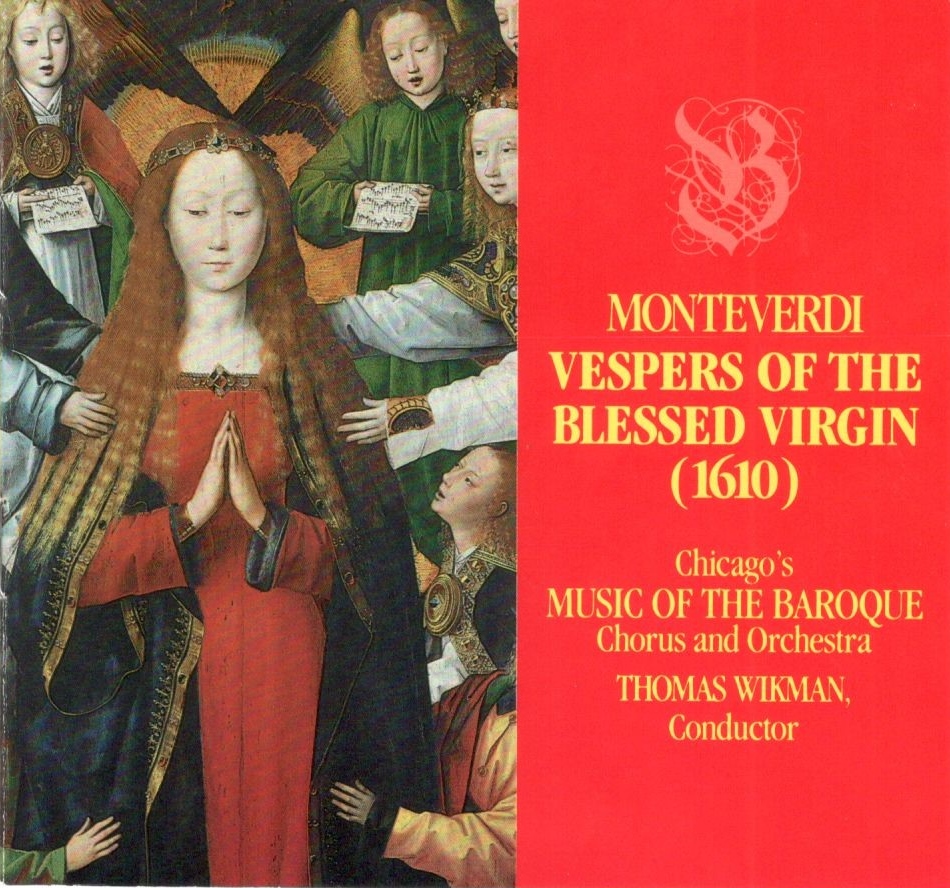


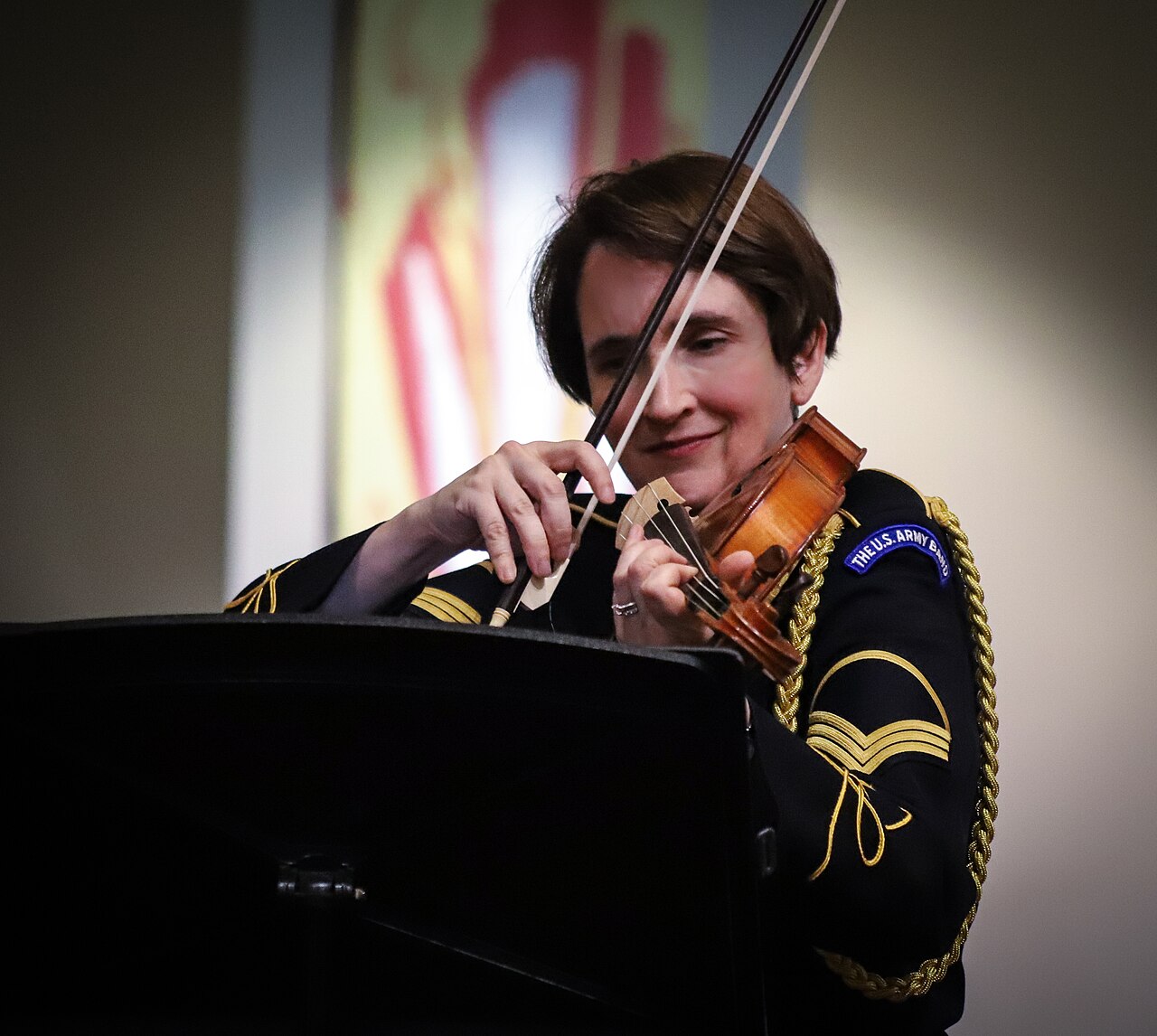
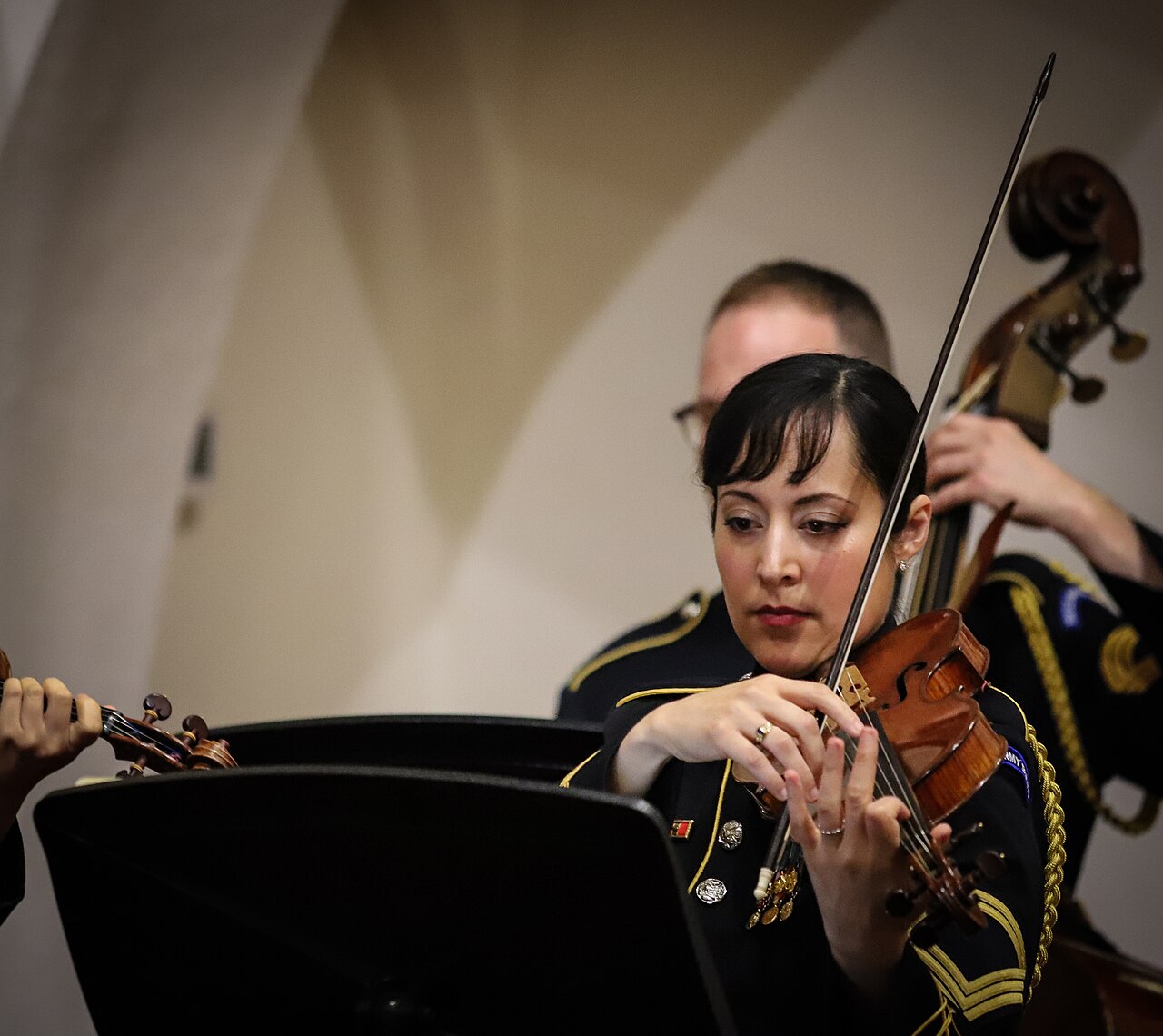
Frequently Asked Questions
What are Baroque music's powers/role?
It locked in common-practice tonality, built the modern orchestra, and gave the world opera, the solo concerto, the sonata, the cantata, and the oratorio as formal genres.
Why is Baroque music important?
It established the harmonic language and orchestral framework that nearly every subsequent Western classical composer works within, and it still anchors the performed and studied canon today.
Who are Baroque music's key figures?
Foundational voices include Jacopo Peri, Alessandro Stradella, and Arcangelo Corelli, each of whom helped shape the period's emerging sound.
More in Musical Genres And Styles 1-21
Spotted an error? Know more?
This is a living reference — every entry is fact-audited, and reader corrections feed straight into our audit queue. Suggest an edit · See this site's audit record