
Art music
Music of high phonoaesthetic value, often contrasted with vernacular music.

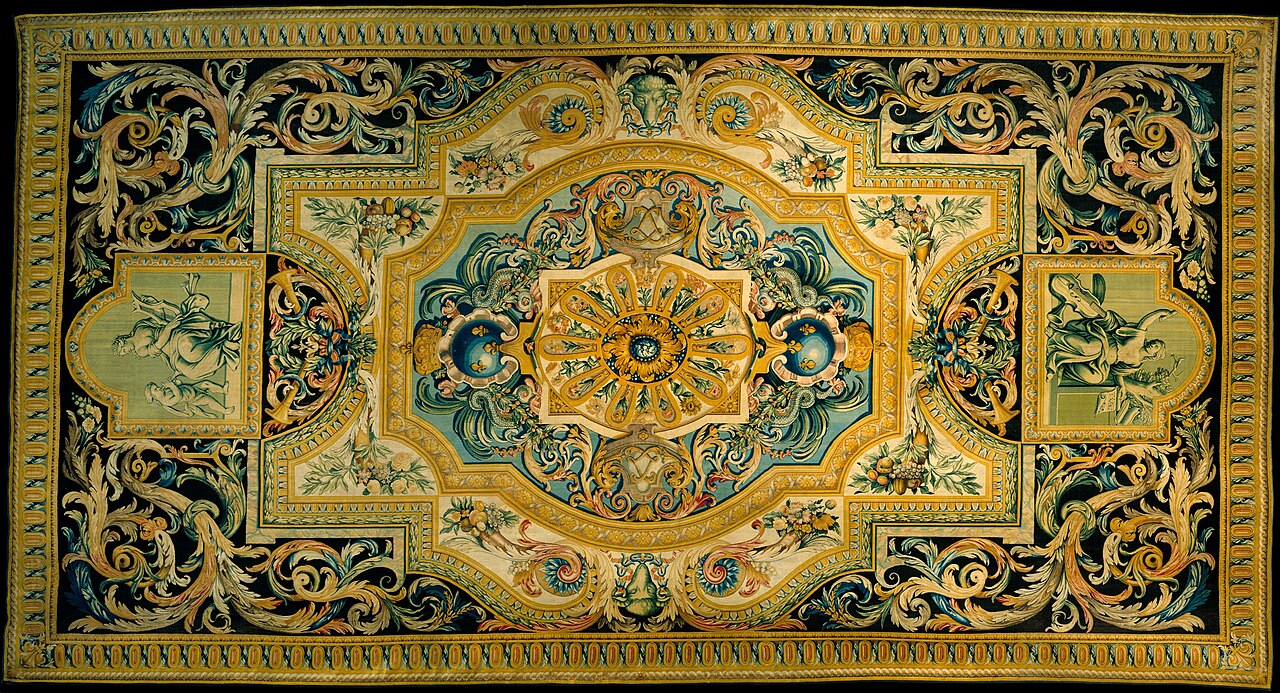
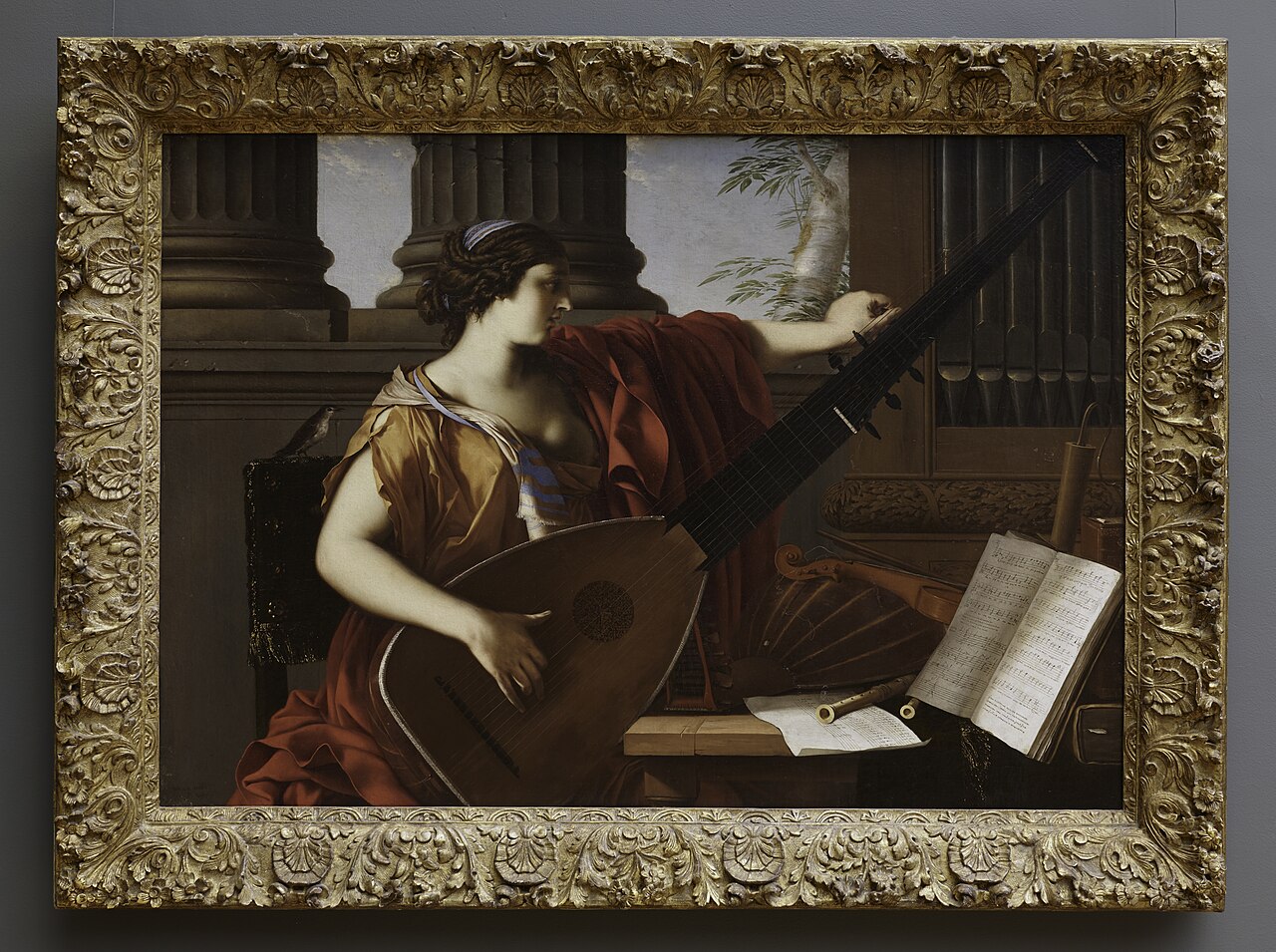
Savonnerie manufactory · CC0
Art music, also known as classical music, cultivated music, serious music, and canonic music, is music considered to be of high phonoaesthetic value. It typically implies advanced structural and theoretical considerations or a written musical tradition, and is often contrasted with ordinary, everyday music such as popular and folk music.
- field
- Music
- known_for
- High phonoaesthetic value, advanced structural and theoretical considerations, written musical tradition
- also_called
- Classical music, cultivated music, serious music, canonic music
- contrast_with
- Popular and folk music (vernacular music)
- traditions
- Many cultures have art music traditions; in the Western world, typically refers to Western classical music
Lore & Background
In Western literature, art music is mostly used to refer to music descending from the tradition of Western classical music. Musicologist Philip Tagg refers to the elitism associated with art music as one of an 'axiomatic triangle consisting of folk, art and popular musics'. According to Bruno Nettl, 'Western classical music' may also be synonymous with 'art music', 'canonic music', 'cultivated music', 'serious music', as well as the more flippantly used 'real music' and 'normal music'.
Reader's Guide
Art music is significant for its emphasis on formal styles, technical deconstruction, and focused listener attention. In strict Western practice, it is considered primarily a written musical tradition preserved in notation, as opposed to oral or recorded transmission. The term has been applied to challenging types of jazz and rock music as well as Classical. Throughout the history of popular music, there have been attempts to claim art status, notably in jazz, where artists cultivated 'symphonic jazz' to distance it from vernacular and black American roots. In the late 1960s and 1970s, progressive rock bands fused composed music with rock's oral traditions, sometimes resulting in the reification of rock as art music. However, as author Kevin Holm-Hudson notes, progressive rock often fails to fully integrate classical sources, moving between explicit and implicit references to genres from European art music and other cultural domains.
Did You Know?
- Art music is also called classical music, cultivated music, serious music, and canonic music.
- Musicologist Philip Tagg describes art music as part of an 'axiomatic triangle' with folk and popular musics.
- In strict Western practice, art music is primarily a written musical tradition preserved in notation.
- Progressive rock bands in the late 1960s and 1970s combined rock with high art musical forms, sometimes reifying rock as art music.
The Arbitrary Architecture of Musical Classification
Music resists clean boundaries. The very act of sorting compositions into genres and styles is, by its own admission, often arbitrary and frequently disputed. Closely related forms tend to bleed into one another, and the lines we draw between categories are as much a matter of convention as of musical substance. Larger genres and styles function as umbrellas under which more specific sub-categories nest, creating a layered taxonomy that no single authority can fully police. A platform called Gracenote has catalogued more than two thousand distinct music genres, a figure that includes labels coined by ordinary listeners rather than industry professionals. This grassroots layer of naming, sometimes called a folksonomy, reminds us that genre is not merely a scholarly exercise but a living, crowd-built vocabulary. Despite their imperfection, these classifications remain practically useful: they help listeners locate the music they seek and give distributors a framework for reaching audiences. The categories are never exhaustive, and the list of genres and styles continues to grow as new sounds emerge and old ones hybridize.
The Temporal Depth of Classical Traditions
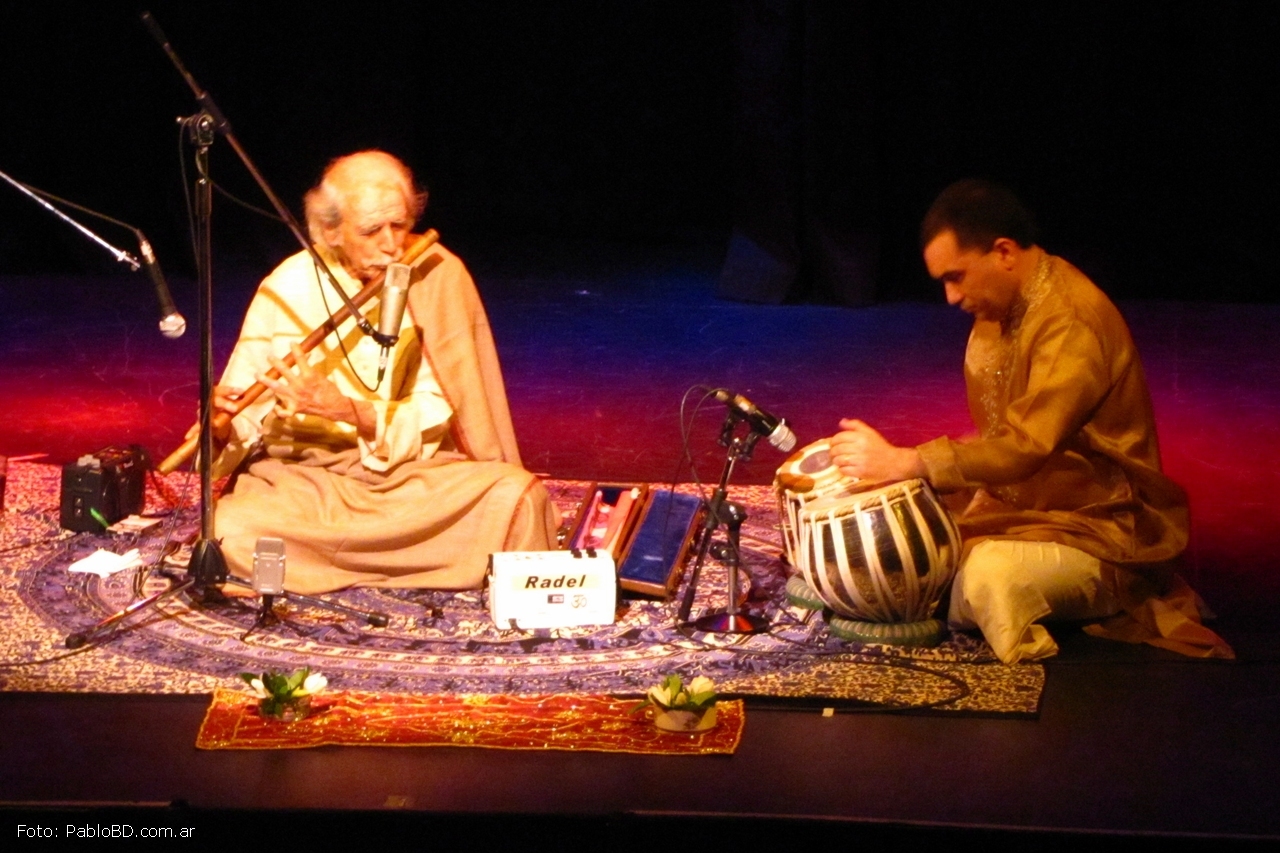
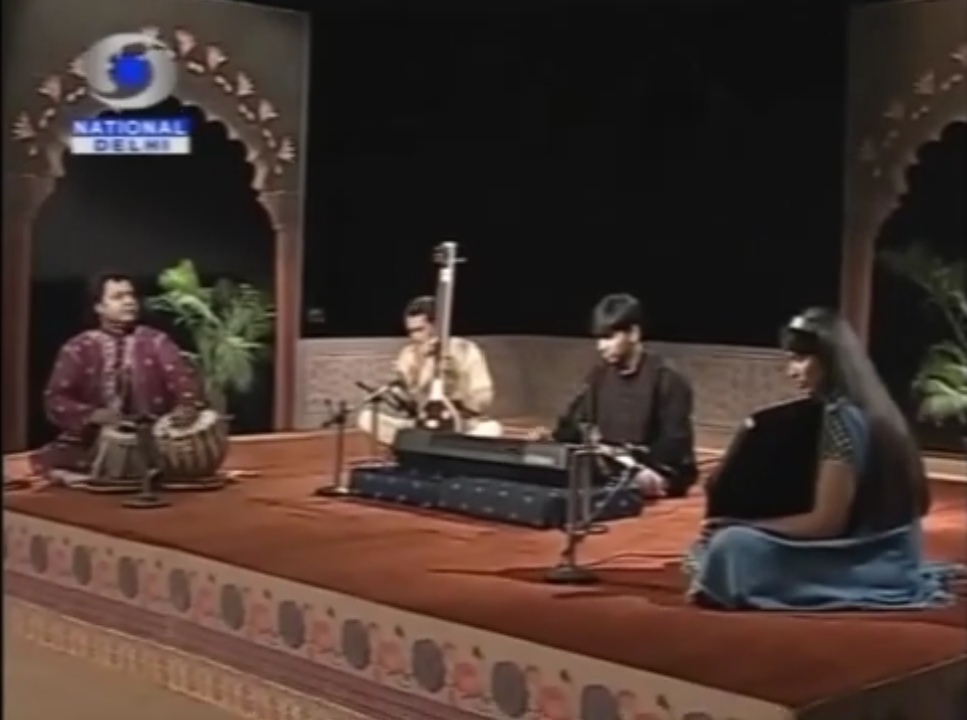
Classical music, in its broadest sense, is not a single tradition but a constellation of parallel lineages. Western classical music alone spans from the Renaissance era of the sixteenth century through the Baroque period, the Galant style, the Classical period, and the Romantic era, before fracturing into the twentieth and twenty-first centuries with movements such as Modernism, Impressionism, Neoclassicism, High modernism, Postmodern music, Experimental music, Contemporary classical music, and Minimal music. Each of these carries its own approximate date range, yet the boundaries overlap and the transitions are gradual rather than sudden. Beyond the Western canon, the classical label also encompasses Andalusian classical music, Indian classical music, Korean court music, Persian classical music, Kurdish classical music, and Classical Turkish music, each rooted in distinct cultural and historical contexts. The sheer breadth of what falls under the classical umbrella underscores that the term is less a description of sound than a marker of tradition, training, and institutional lineage.
The Popular Landscape and Its Experimental Fringes
Popular music is organized into broad families—Blues, Country, Electronic, Folk, Hip-hop, Jazz, Pop, R&B and Soul, and Rock—each of which branches into countless sub-genres. Among the most eclectic of these branches is the Avant-garde and Experimental cluster, which gathers together forms as varied as Acoustic music, Drone music, Electroacoustic work, Industrial music, Lo-fi, Musique concrète, Noise, Outsider music, Progressive music, Psychedelic music, and Underground music, alongside practices such as Musical improvisation and Crossover music. This grouping reveals that the boundary between popular and experimental is far more porous than the label suggests. A composer working in Drone music may share aesthetic concerns with a Noise artist, while a Progressive musician might borrow structural ideas from Classical period composition. The existence of categories like Danger music and Instrumental further illustrates how popular music absorbs and recontextualizes techniques from across the entire musical spectrum, making the popular landscape a constantly shifting mosaic rather than a fixed map.
Genre as Commerce, Community, and Discovery
Behind the seemingly academic exercise of genre classification lies a deeply commercial and social machinery. Most of the thousands of genres catalogued by platforms like Gracenote were, according to the available record, created by music labels seeking to target new audiences. This commercial origin does not diminish the practical value of the system: classification remains the primary tool for finding music and distributing it to listeners. Yet the taxonomy is not solely top-down. Ordinary music lovers, unaffiliated with the industry, contribute their own labels to what is termed a folksonomy, a taxonomy built by non-experts. This dual origin—corporate and grassroots—gives the genre system its peculiar hybrid character. The categories also serve as cultural containers: a genre like Fado, Huayno, or Kapa haka carries with it an entire regional identity, while broader groupings such as world music in North America and Western Europe serve as catch-alls for non-Western regional and national genres that lack significant commercial impact abroad. Genre, in short, is simultaneously a marketing tool, a community language, and a map of human musical expression.
Gallery

Frequently Asked Questions
What is Art music?
Art music is a broad category of music regarded as having high phonoaesthetic value, typically involving sophisticated structural design, theoretical depth, or a written musical tradition. While most commonly associated with Western classical music, the concept exists across many cultural contexts worldwide.
What other names does Art music go by?
You will also encounter the terms classical music, cultivated music, serious music, and canonic music, all pointing to the same general category of composed, tradition-bearing music.
How does Art music differ from popular or folk music?
Art music is generally set apart from vernacular genres by its emphasis on advanced compositional structure, theoretical frameworks, and a notation-based tradition rather than purely oral transmission. Popular and folk music, by contrast, tend to be tied to everyday social contexts and simpler formal designs.
What are the defining traits of Art music?
Its core markers are high phonoaesthetic value, advanced structural and theoretical considerations, and typically a written musical tradition. These elements collectively distinguish it from casual or vernacular musical practices.
Is Art music exclusively a Western concept?
No—many cultures around the world maintain their own art music traditions. In the Western context the term most often points to Western classical music, but the broader category is not limited to a single region or lineage.
More in Musical Genres And Styles 1-21
Spotted an error? Know more?
This is a living reference — every entry is fact-audited, and reader corrections feed straight into our audit queue. Suggest an edit · See this site's audit record